Are you looking for a reliable commercial snow plowing contractor in Toronto? If so, you’ve come to the right place. In this blog post, we’ll be discussing the factors to consider when looking for a local snow plowing contractor to take care of your commercial property. We’ll also be discussing the benefits of hiring a professional snow plowing service, the difference between commercial and residential snow removal services, and the cost of snow plowing services in Toronto.

Benefits of hiring a professional snow plowing service

Hiring a professional snow plowing service is essential for any commercial property. A professional snow plow service can help you reduce the amount of time and effort you have to put into snow removal while keeping customers/clients safe when they visit. They can also help you save money, as they have the right equipment and experience to get the job done quickly and efficiently.

A professional snow plow service can help you keep your property safe and free of snow and ice. They can also help keep pathways and driveways free of snow and ice, preventing any slips and falls on your property. In Ontario, contracting parking lot snow removal and deicing services is essential to keeping your business running smoothly during the winter months.
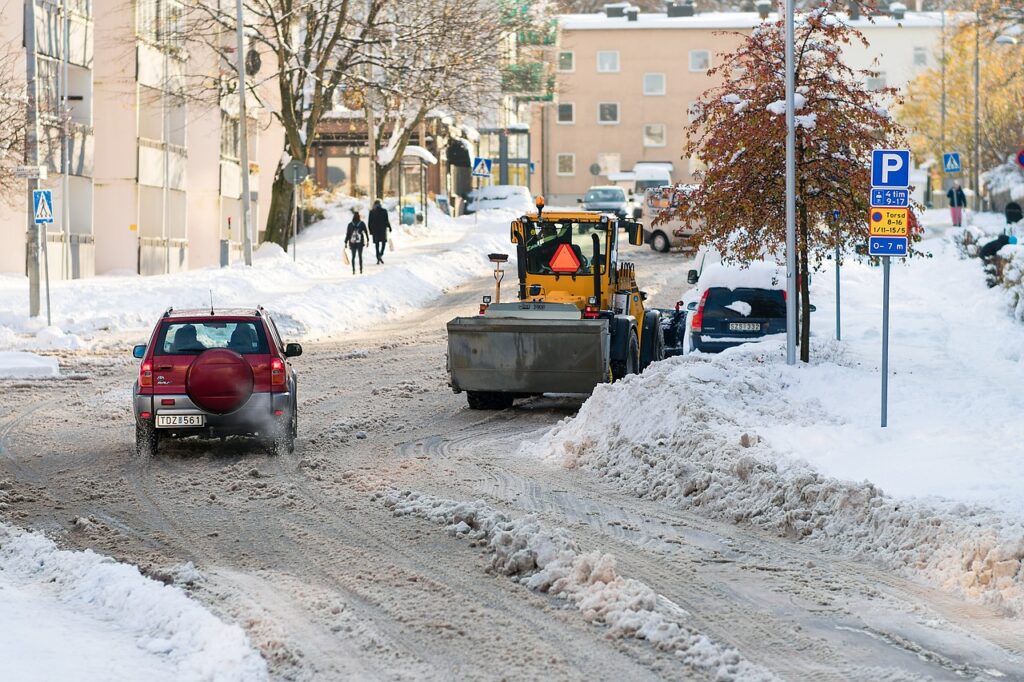
plough 1814954 1280 1024x682 - Hiring a Commercial Snow Removal Contractor in Toronto

The difference between residential and commercial snow removal services

When it comes to snow removal services, there are a few differences between residential and commercial services.

Commercial snow removal

Commercial snow removal services typically involve larger equipment and more resources. Contractors also have more experience and expertise in dealing with large-scale snow removal needs such as snow placement, management, and deicing.

Residential snow removal

Residential snow removal services are typically more focused on smaller jobs, such as shovelling driveways and walkways. They are also typically less expensive and require less/smaller equipment.

The cost of snow plowing services in Toronto

The cost of snow plowing services in Toronto can vary depending on the size of the property, the amount of snow, and the type of service needed. For residential snow removal services, the cost can range from $75 to $150 per hour. For commercial snow removal services, the cost can range from $100 to $500 per hour.

It’s important to note that the cost of snow plowing services can also vary depending on the type of equipment needed and the experience of the contractor. If you’re looking for the most affordable snow plowing service, it’s best to get quotes from multiple contractors so you can compare prices.

Contact us now to get a FREE no obligation quote for snow removal on your commercial property.

Factors to consider when comparing snow plowing services

When comparing snow plowing services, there are a few factors to consider.

First, make sure the contractor is licensed and insured.

Second, make sure the contractor has the right equipment and experience.

Third, make sure the contractor is familiar with the area and has the right safety equipment and procedures in place.

Fourth, make sure the contractor offers additional services, such as deicing and sidewalk snow removal.

Fifth, make sure you get a written contract that outlines the services, equipment, and fees.

Sixth, make sure you check reviews online. This is a great way to make sure the contractor is reliable and trustworthy.

Which snow removal company should you hire?

Finding the best commercial snow plowing contractors in Toronto doesn’t have to be a difficult task. By following the tips outlined in this blog post, you can make sure you’re hiring reliable and experienced contractor that can get the job done quickly and safely. With the right snow plowing services, you can keep your property safe and free of snow and ice during the winter months.

At Terrastone Landscaping we make snow removal easy. Give us a call or fill out our contact form to get your free commercial snow removal quote.
Let's make your dreams a reality.

Living in Toronto comes with positives and negatives. One negative being that during the winter months we get hit with cold weather and tons of snow. Yes, we get it, the snow can be pretty. But it’s also a big pain to constantly remove snow from your driveway, walkway, or parking lot when you’re trying to enjoy your holidays. That’s why at Terrastone Landscaping, we offer snow removal services to Toronto’s commercial and residential properties.

When it comes to snow removal in Toronto, the number one question we get from our clientele is, “How much does it cost?”. That’s why we’ve put together this blog to explain exactly what goes into pricing out snow removal and what the average cost is in Toronto.

How is a Snow Removal Service Priced Out?

Like everything, the price of snow removal services in Toronto vary. The two main factors to consider are what kind of service you’re looking for and how big is your property?

Some other things that may affect the price of a snow removal service are:

  • How much snow has come down
  • How fast do you need the snow removed
  • The size and shape of your property
  • Do you need salt thrown down or any sort of ice control 

Take note: Snow removal is a monthly service in Toronto. Snow removal takes place between October and April – this service window can be shortened or extended depending on your contractor.

pexels photo 6952504 1024x683 - Toronto Snow Removal Services - How Much Does it Cost?

How Much Does Snow Removal Cost in Toronto?

The average price of residential snow removal ranges between $250/month and $500/month. This normally includes removing snow from your driveway, walkways, and sidewalk. When it comes to commercial properties, pricing can vary drastically.

The Best Snow Removal Service in Toronto

To find a reliable snow removal service near you is relatively straight forward, but you have a few options:

  1. Ask for recommendations from your friends and family
  2. Ask your current landscaping company if they offer the service (most of them do)
  3. Search on Google and read reviews

Now the best way to find out the price is by contacting your local service provider for a quote. If you’re located in Toronto or the GTA, feel free to give us a call or contact us to get a FREE quote.

We’ve been providing both commercial and residential snow removal services in Toronto for over 15 years. We don’t want to brag, but there’s a reason we have a 5-star rating on Google! Whether you choose us or not, it never hurts to get another quote.

Let's make your dreams a reality.

If you live in the Greater Toronto area, you know all too well how harsh the weather can be. Unfortunately, wear and tear from harsh weather conditions can really take a toll on your home’s interlocking pavers. Because of this, it’s vital to ensure your pavers are sealed and resealed on a regular basis for maintenance.

In this quick guide, we’ll take a look at why sealing your interlock pavers is so important, and how often you should be sealing them.

What is Interlock Sealing?

To keep interlock paver patios, walks, driveways, and pool decks looking as stunning as the day they were placed, paver sealant is a crucial maintenance item. First, polymeric or another form of sand should be used to fill in the joints between your interlocking pavers during the sealing process to keep them from shifting. Next, sealant can be applied to the overall interlock surface to keep the stones underneath clean and protected.

Why is Sealing Your Interlock Pavers So Important?

To start, sealing keeps weeds and stains at bay. Constantly stooping to remove weeds that have grown in the spaces between the stones is difficult. Making sure your interlock joints are filled with polymeric will prevent weeds from getting in-between the joints.

Unfortunately, interlocking pavers and stones are fairly porous, making it easy for oil and other forms of grease to discolour them. These problems can easily be avoided by protecting them with a sealant. Not to mention it will also protect your pavers from any fading caused by powerful UV rays.

Interlock sealing keeps your pavers looking beautiful for longer! When you pressure wash your patio or walkway, it’ll look almost brand new again. To keep it looking this way for longer, once you’ve finished washing, be sure to cover the area with protective sealant. It’s a quick additional step that will pay off in the end.

When Should You Seal Your Interlock Pavers?

When your interlock driveway starts to lose that fresh look, you might start to worry. You may start to wonder if it needs to be fixed or if your stones will ever look great again. Feel at ease knowing it’s most likely normal wear and tear. Your interlock pavers may need real repairs over time, but at this point you may just need a power wash and reseal.

The first point you should seal your interlocking pavers is as soon as they are first installed. Pavers don’t come pre-sealed or protected so it’s important that you have them sealed soon after you have them installed.

The next time to reseal them is if you see substantial wear and tear building up. Remember, that sealant is a protection layer for your interlock. Once that sealant wears off, your pavers are open to being damaged.

Have A Resealing Routine

Sometimes by the time you notice the wear and tear it’s too late and your stones are already damaged. That’s why we recommend resealing on a routine. Obviously the more often you seal your interlock the better, but it’s best to protect them either before our harsh Canadian winter hits or after the snow melts away in Spring.

Whether you choose to do it once a year, twice a year, or every other year – that’s completely up to you.

Start Protecting Your Interlock From Harsh Toronto Weather

Want to protect your interlock without having to do it yourself? Give us a call! Over our 15+ years in business, we (Terrastone Landscaping) have helped 1,000s of Toronto home owners with interlock sealing, installation, repairs and maintenance.

If you want to get started with a project or have questions please feel free to give us a call. We can also provide you with a FREE no obligation quote that breaks down exactly what needs to be done for the project so that you have a better idea. Simply fill out the form on our contact page and we’ll get back to you within a few business days!

Let's make your dreams a reality.

Natural stone steps can really pull an entrance or backyard patio together. But how expensive is a natural stone step project? Is it worth the investment? In this guide, we’ll explain the cost factor of installing natural stone steps, and why doing so is worth the investment.

23081 1024x576 - How Much Do Natural Stone Steps Cost?

What Goes into Pricing A Stone Step Project?

Like all home improvement projects, pricing is relatively custom and can vary depending on a number of different elements. That’s why it’s important for you to understand what goes into a natural stone step installation project. In this guide, we breakdown the main steps of the project, give you some ballpark costs, and ideas on how you can lower the cost by doing work yourself.

Price of Natural Stone Steps

The addition of natural stone steps may really improve the appearance of your house. Across the Greater Toronto Area, installing stone stairs typically costs roughly $2,500– however, prices might vary based on the scope of the job and the type of stone you select. While high-quality granite is more expensive and can run you up to $13,000 with expert installation, lower-grade slab costs often fall in the $1,400 to $1,500 range.

It’s worth noting that these are very general numbers. The cost of materials can vary greatly from bluestone to granite to limestone to concrete.

Price of Excavation

Before taking on a stone step project, you should start thinking about the excavation process. To prepare the area for installation of natural stone steps you’ll have to excavate and level the space. Depending on your yard, this can either be a huge job that requires the use of machines or something smaller that can be done with a wheelbarrow and shovel. To give you a ballpark number, the price of excavation might reach $250 per cubic yard.

Pro Tip: If you don’t mind getting your hands filthy, you might be able to clear a significant amount of ground for your stone stairs by yourself, depending on the size of your region. Labour expenses can be reduced by doing it yourself, but it’s not always practical, especially if you don’t know how to properly prepare the area.

Price of Labour To Install Stone Steps

Another factor to take into account is labour expenses. This can drastically change based on what is required, the material you select, and how long it takes. A general rule of thumb people like to use when calculating the cost of labour is that it’s the same price as material. So if your stones cost $2,000 the labour to install them will generally cost around $2,000. For example, the cost to install 3-6 steps could be in the range of $500-$3,000 with the total project costing $1,000-$6,000.

When it comes down to it, natural stone steps are worth it simply because they add value to your home. They are also quite durable, so maintenance costs are relatively low.

The Cost of Natural Stone Steps Varies

In the end, the cost of installing stone steps in Toronto varies. The installation labour costs will vary, as will the costs of the specific materials you want to use. The size of the area to be paved with natural stone steps will also be a key factor. Your best bet will be to get a quote from a hardscaping company such as Terrastone Landscaping.

Invest in Natural Stone Steps with Terrastone Landscaping

If our guide to natural stone steps gave you some inspiration, feel free to reach out to our team of specialists to ask any questions or begin the process!

Feel safe knowing for more than fifteen years, Terrastone Landscaping has been the go-to source for installing natural stone interlock pavers in the Greater Toronto Area. We offer other fantastic hardscaping services as well—we’re not simply a landscaping business!


Let's make your dreams a reality.

Hardscaping, softscaping, landscaping — what on earth are all these different scapings? For homeowners who just want their yards to look nice, the options can feel overwhelming.

However, understanding what each term defines and how they work together is crucial for planning a beautiful yard. Of course, you can always hire a landscaping expert. But wouldn’t it be nice to understand a little about what they’re talking about?

Let’s look at each of them and define the types of landscaping here.

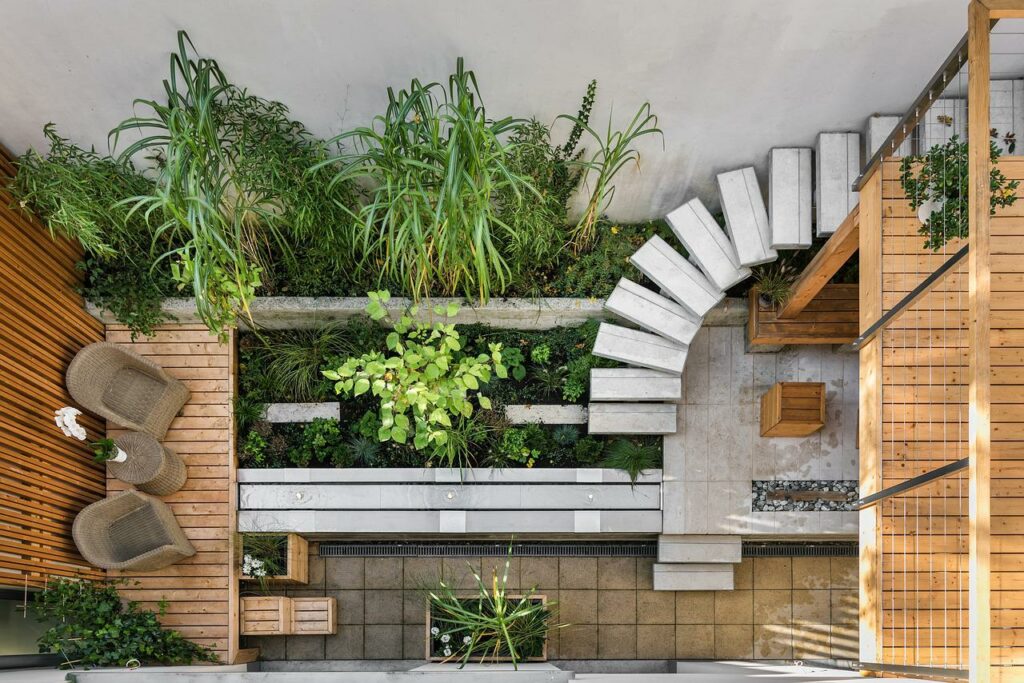
wooden 3346929 1280 1024x683 - Hardscaping, Softscaping & Landscaping | Terrastone Landscaping

What is Hardscaping?

Hardscaping is pretty much all the stuff made of hard materials that you might put in your yard. For example, driveways, walkways, retaining walls, structures like gazebos or porches, etc.

Another significant part of hardscaping is figuring out the drainage. Water pooling in your yard will result in a muddy, boggy plot of land that won’t make an enjoyable place to hang out. Structures, retaining walls, creating slopes in the ground, and other methods are used to ensure water can drain as it should.

Conversely, sprinkler systems or other types of irrigation systems are also considered part of hardscaping.

Typically hardscaping elements are the first that are installed when landscaping a yard. Hardscaping can be thought of as the skeleton of a yard. Once you have these structures in place, you can fill in around them with softscaping elements.

What is Softscaping?

So let’s talk about what is softscaping. The elements in softscaping aren’t necessarily soft, which can make it a little confusing.

However, softscaping elements are basically anything that fills in and adds decoration to the overall landscaping. So trees, bushes, and plants are all softscaping elements. Softscaping is where your creativity shines.

Hardscaping elements are generally pretty firmly established. However, softscaping elements can be changed fairly easily by the homeowner. For example, annual flowers or vegetable plants that grow for a season and are done.

Sometimes, hardscaping and softscaping elements can be combined. For example, a row of concrete planters is part of hardscaping but the shrubs you plant in them are softscaping elements.

What is Landscaping?

So what is landscaping? This term refers to all of it. Landscaping is simply the idea of beautifying a yard with manmade elements, ornamental features, or trees, shrubs, and flowers.

Hardscaping and softscaping are both elements of landscaping. They work together to create the final look.

Hard Landscaping in Toronto

Looking for help with hard or soft landscaping in Toronto? Don’t waste your time Googling “hard landscaping near me” — you’ve already found us! The experts at Terrastone Landscaping can help you perfectly landscape your yard with the right mix of hard and soft landscaping elements.

We’ve been at this for a while so rest assured that all our work is compliant with the City of Toronto Backyard Landscaping Bylaws. You can just sit back and enjoy your amazing new yard.

Ready to transform your backyard into a comfortable oasis? Reach out to Terrastone Landscaping and get started today!

Let's make your dreams a reality.

It’s important to have a sharp-looking front entrance to your home. After all, the front entrance of your home is the “first impression” that guests have of your home. It also ensures that your home has valuable curb appeal. Did you know one easy way to boost that curb appeal is by installing interlocking pavers for the walkways and driveway of your front entrance?

Interlock? You don’t say! Here, let’s take a look at a few interlocking design ideas for small, medium, and large homes to help you get some inspiration.

23081 1024x576 - Interlocking Design Ideas For Your Front Entrance and Walkways

Small Homes – Stone Steps

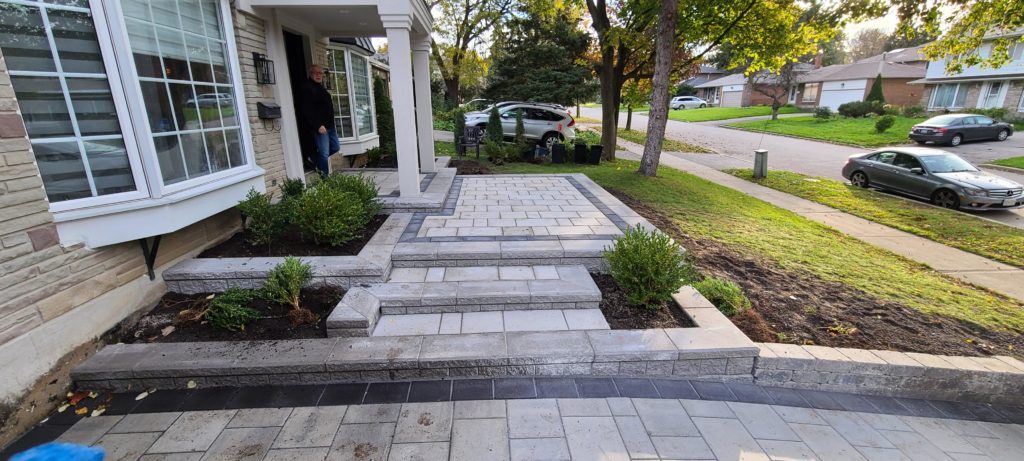
It can be difficult to make the front entrance of a small home look captivating, as there isn’t a ton of room available. This is where adding interlocking stone steps can make a difference. Natural stone steps are a popular choice since they provide charm to your outdoor space and are low maintenance. As you won’t need to worry about repairing cracked tiles, it’s a really durable choice.

20171104 175230 1024x576 - Interlocking Design Ideas For Your Front Entrance and Walkways

Midsize Homes – Eye-Catching Interlock Driveways

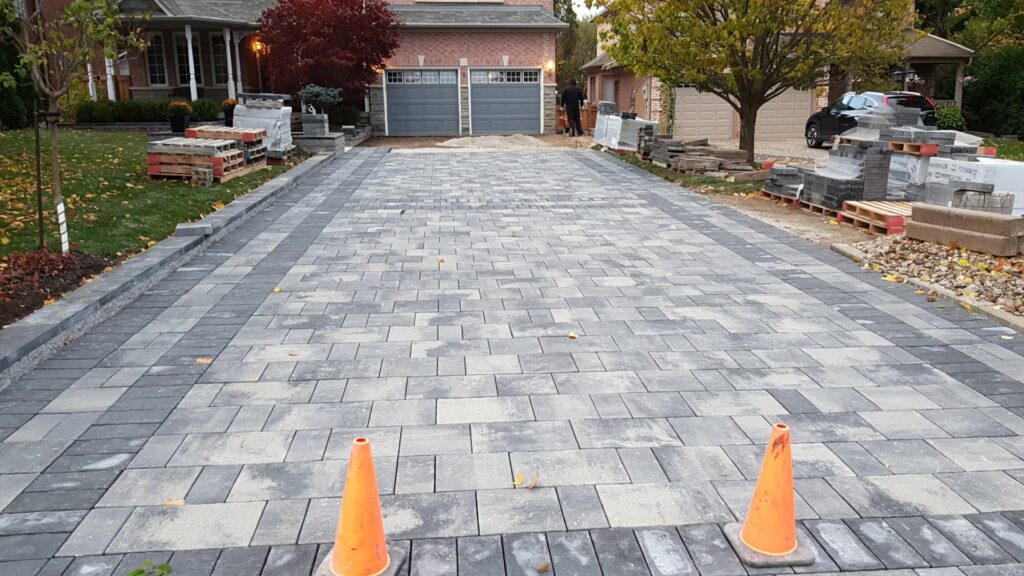
One of the most important components for a striking front entry is a well-planned and well-built driveway. Driveways sometimes have poor design, with plain asphalt or poured concrete construction, and they predominate the aesthetics of a front door. Interlock pavers usually provide you with a greater variety of design options with equivalent durability, enabling your driveway to be a key component of the design of your entry.

Because interlocking pavers come in such a wide range of textures and hues, they may be used in both classic and contemporary designs. Additionally, they provide you the opportunity to employ laying patterns to emphasize your design even more and to enhance visual contrast by judiciously utilizing borders and accents.

20211104 091447 1024x461 - Interlocking Design Ideas For Your Front Entrance and Walkways

Large Homes – Retaining Walls

You may enlarge and raise your front garden while doing home improvements to liven up the front of your property. These retaining walls will not only increase the size of your garden, but they will also increase the potential of your house by giving it a new dimension. For large front entrances, installing a retaining wall can add some height and dimension to your entrance, instead of leaving it wide and flat.

Call Terrastone Landscaping to Help You Find the Right Interlock Designs

Sometimes, a hands-off solution to home improvement is best. If our list of front entrance interlock ideas inspired you, feel free to contact our team of landscaping specialists with any questions or if you need help coming up with a design idea for your front entrance.

Terrastone Landscaping serves the Greater Toronto Area and has been the go-to for interlock paver designs for over fifteen years. We’re not just a landscaping company– we have a love for hardscaping! Get in touch with our team today to learn more or to get a FREE Quote.

Let's make your dreams a reality.

When you work in the landscaping industry, you get to experience many different yard styles, layouts, and sizes. What we’ve come to notice over time is the when you set up a small backyard correctly, you can make it feel huge!

But what if your backyard is particularly difficult? Will it require a sizable second mortgage to turn it from a bleak wasteland to a fun-filled haven?

One of the nicest things about backyards is that little changes can make a huge impact! Here are some landscaping ideas for your backyard that won’t break the bank.

patio 3 1 1024x576 - 5 Landscaping Ideas For Small Backyards

Invest in an Interlock Patio to Add Dimension and Coziness to Your Small Backyard

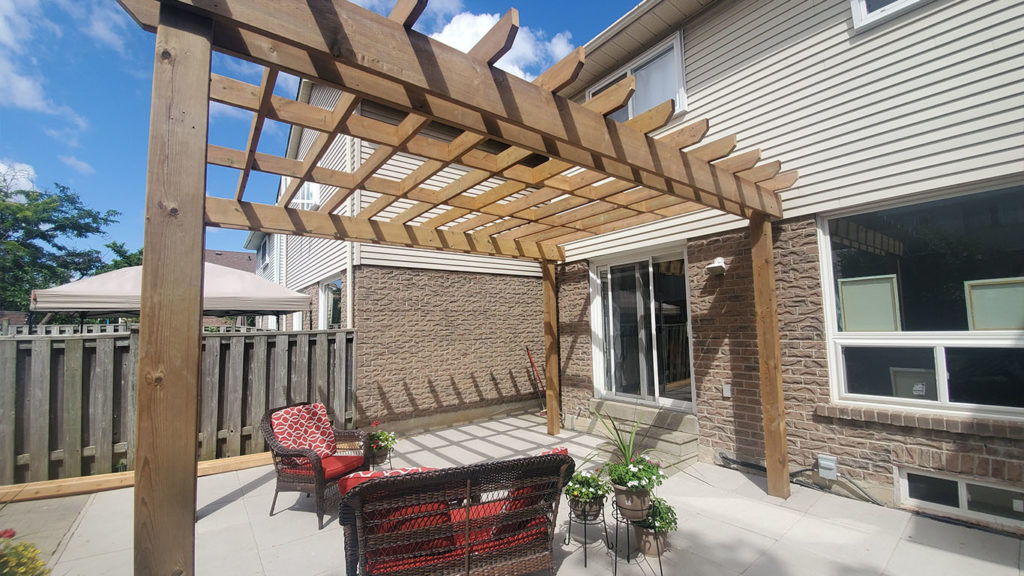
If you don’t already have a patio space, you should definitely look into adding an interlocking paver patio! A patio is the foundation of your backyard. Once you have one, everything else can be centred around it, allowing you to add all sorts of new things. Not only will the interlock stones bring beauty to your backyard with a large range of patterns to choose from, but they also give you a space to add seating, a table, or even a fire pit.

Try Creating a Framed View

In tiny yards, architectural structures like arbors and pergolas are perennial favorites. Frame a vista, hang a swing, or even establish a climbing garden with one. These backyard constructions’ height creates the appearance of extra space, while the elements themselves provide interest and character.

Add a Stone Raised Garden Bed

A stone raised garden bed can really take your backyard beauty to the next level. Pull out any dead plants, dig out the weeds, and trim the overgrown shrubs after the winter debris has been removed. Then hire a professional hardscaper to install your stone garden bed and plant some brightly coloured flowers in the area to give it a summery vibe.

Install a Stone Fire Pit

Fire pits are in high demand! These charming additions to a small backyard may transform a plain yard with captivating flames and serve as a meeting spot for late-night s’mores and afternoon picnics. You can really alter any aspect of a fire pit, including its size and type of stone used to build it. Your fire pit should ideally be between 3 and 4 feet around to allow several people around it while keeping a cozy atmosphere.

Add a Water Feature

Bring some life and zen to your backyard by adding a water feature, such as a pond, waterfall, or fountain. Not only is it a centrepiece for family and friends to admire, but the soft noise of moving water will have you at peace when you’re outside enjoying you backyard by yourself.

Water features come in a number of different styles, our favourite is the modern look with straight cuts, square corners, and lights.

Hire Toronto’s Expert Hardscape Crew To Transform Your Small Backyard

If you live in the Toronto, Markham, or Greater Toronto area, our team of professional landscapers at Terrastone Landscaping can help you with backyard ideas and creating the backyard patio of your dreams. Give us a call today to learn more and get a FREE estimate!

If you already have photos and measurements, send them to us and we’ll provide you with a FREE Quote Online!

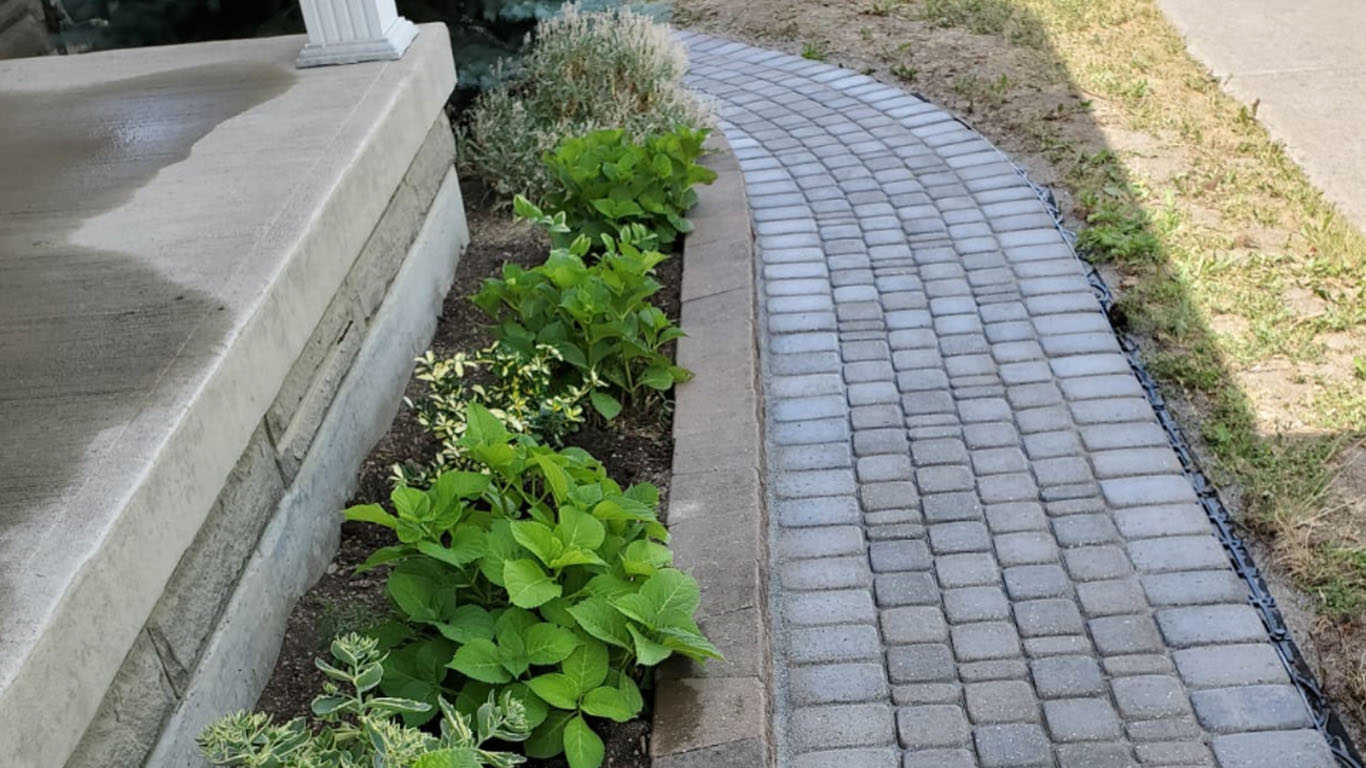
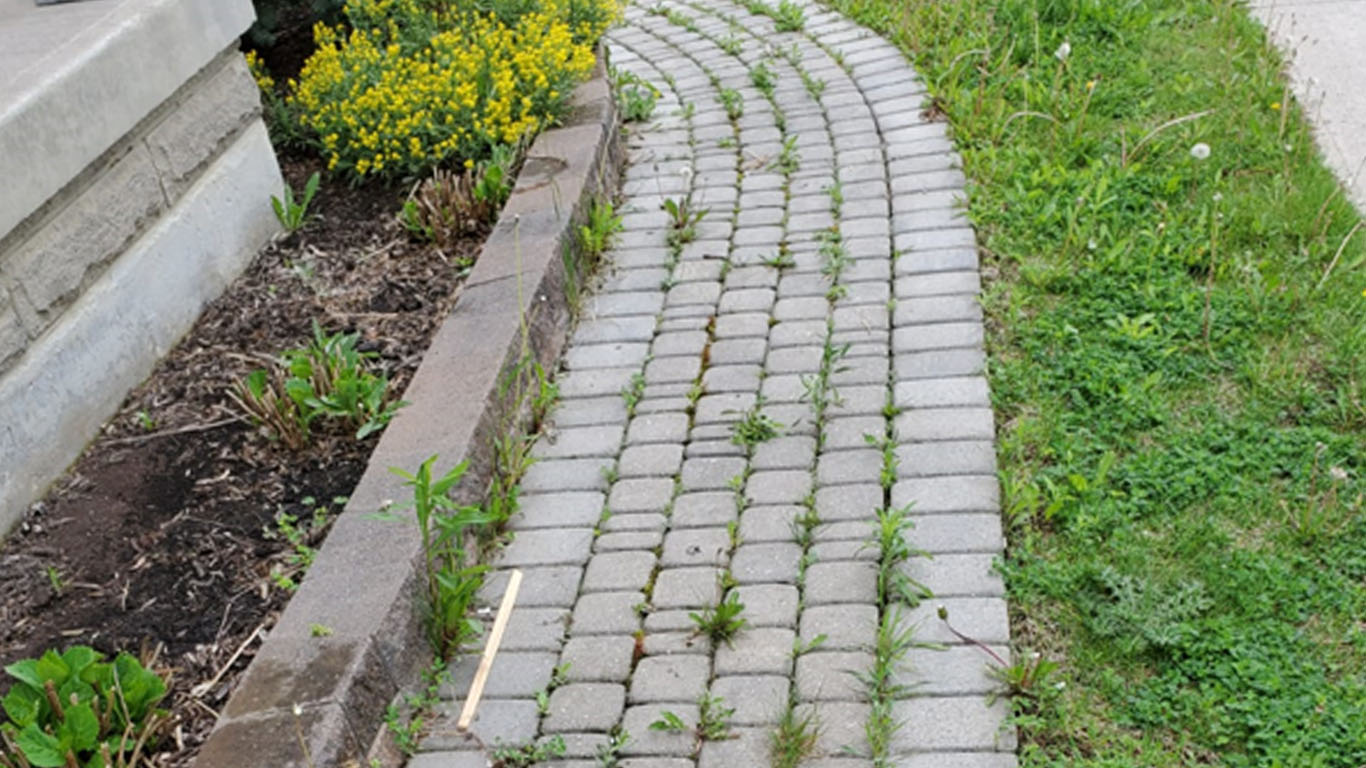
If you are tired of pulling weeds from between interlock bricks, you are not alone. It is somewhat common for this to happen, but with good interlock cleaning in Toronto, it may be possible to resolve the problem for you.

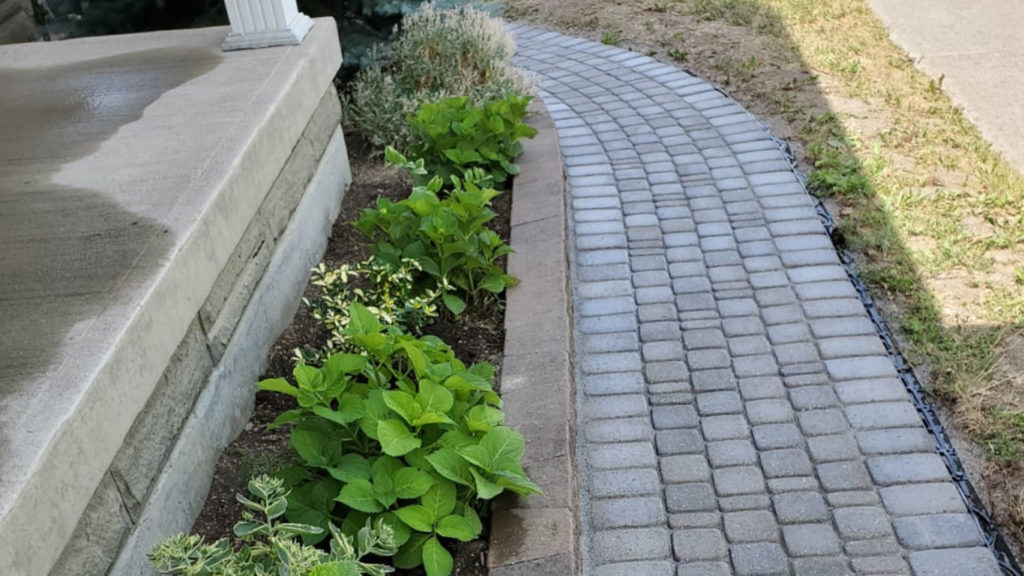
walkway 2 1 - How To Properly Get Rid of Weeds in Interlock After
walkway 1 1 - How To Properly Get Rid of Weeds in Interlock Before

How Do You Kill Weeds in Interlock?

How do I permanently get rid of weeds in my block paving? It’s a question many people ask because this is a common problem. First, consider why it happens.

In some situations, weeds could be growing from the gaps between them. These gaps allow small amounts of dirt to get into those spaces and start growing weeds. Trust us, it does not take much for seeds from weeds to germinate in that area, causing countless cycles of weed growth.

To get rid of these weeds in-between your interlock, it is important to remove them fully and then remove that dirt. The problem is that this is not a simple process. If you do not remove all of the material, they will come back again.

What Are Your Options?

First, get rid of them. To do this, consider pressure washing your driveway. The pressure from the system will effectively remove all materials from between the bricks and stones, including those weeds. The amount of pressure present may also enable you to pull out all of the dirt that is between the bricks. This will allow you to fill these joints with polymeric and eliminate spaces that are allowing those weeds to come in.

You may need to repair your interlock if you have very uneven areas or large gaps. You’ll want to ensure a tight fit to minimize this risk going forward. It is a good idea to take care of any damage to the stone as they happen to minimize further risks.

Prevent Weeds From Growing in-between Interlock

Once you get rid of the weeds, your next step should be to minimize the risk of them coming back. Maintaining an interlock driveway is important. That typically includes paying attention to and fixing spaces, damage, and areas of debris buildup on a consistent basis. Once you have the surface properly cleaned and aligned, you can then consider sealing your interlock.

Sealing your interlock pavers helps to minimize the risk of dirt, mold, and other materials building up on the stones. This could reduce your risk significantly going forward.

Hire The Interlock Experts 

You can do all of this work yourself. That includes properly pressure washing the interlock brick and stone, making repairs, handling any maintenance needed, and then sealing it. This can take a few days to complete if you have some experience working with these materials and you have the equipment to do the work.

If that is not the case, and you want a hands-off solution, turn to Terrastone Landscaping. We can schedule a time to come inspect, clean, and seal your interlock stone in no time. That way, you can get back to doing the things that you enjoy while we handle the repair to your patio or walkway.

Contact us today for a FREE quote or if you have any questions!

Our properties are one of our biggest investments, so it’s critical that they’re both attractive and well-positioned for success. The layout and design of the land around your house or company might affect the health of your home or business, which is why we are delighted to provide retaining walls in Toronto. Retaining walls are sturdy, almost immovable constructions that keep land in place.

In this guide, we’ll explore what a retaining wall is, whether or not you need one, and how to care for one once it is built.

walkway 2 1 1024x576 - Everything You Need to Know About Retaining Walls

The Complete Guide to Retaining Walls

What is a Retaining Wall?

A retaining wall is a type of manmade or constructed outdoor wall that keeps the soil and land behind it in its place. Concrete bricks, specialized concrete, treated wood, and rocks are just some of the materials that are commonly used to create retaining walls. Some are quite easy to install and use, while others have a shorter lifespan. However, they all have the ability to retain soil.

Different Types of Retaining Walls

Gravity Retaining Walls

Gravity retaining walls are generally shorter in height and rely on their own weight and setback to hold the soil.

Reinforced Retaining Walls

Reinforced retaining walls utilize some sort of reinforcement to give the retaining wall construction strength and hence improve its ability to hold soils behind it.

Retaining walls that are cast-in-situ or mortared are another alternative. A variety of veneers, bricks, and other materials can be used to lend texture and design to these walls. These buildings, on the other hand, are very dense and do not move or offer flexibility in response to intense weather changes, earthquakes, tornados, or other natural forces.

Do I Need a Retaining Wall?

If your home is on a large slope, you need to avoid erosion, or you need to create a place for rainwater to flow, you’ll need a retaining wall. Otherwise, you can put in a retaining wall for decorative purposes only.

How Much Does a Retaining Wall Cost?

Every retaining wall project is different and there are many variables to consider — location, size, materials, etc. With that, it’s hard to give a general range of how much your project would cost without seeing it. However, the typical range is between:

  • $20-$50 per square foot
  • $40-$300 per linear foot (2′ to 6′ tall)
  • $4,000-$10,000 average total cost (50′ long wall)

If you’d like to get a more accurate idea of how much your retaining wall project would cost, fill out our FREE Quote Form. Make sure you add pictures, measurements, and as much information as possible to give us a better understanding of what we’re working with.

How to Take Care of a Retaining Wall

To begin, check your wall on a regular basis. You should also clear debris from your drainage lines on a regular basis. If you find any dead areas, replace them as soon as possible to avoid collapse. Finally, when the winter has passed, fill up any eroded areas.

Trust the Pros for Retaining Wall Installation in Toronto

If you plan on building a retaining wall on your property, the team at Terrastone Landscaping can help. Get in touch with our team today to book your initial consultation!

Do your patio pavers appear to be sinking? Pavers naturally sink over time due to pressure on top and the softness of the soil underneath them.

The difficulty is that this results in an uneven surface that might be dangerous if tripped upon. Water may pool up in the low areas, causing the stone to deteriorate. Plus, sinking patio pavers aren’t particularly attractive.

In this guide, we’ll break down how to repair sinking interlock pavers quickly and efficiently. We’ll also take a look at how you can prevent sinking interlock pavers in the future, and how professional help can yield better results.

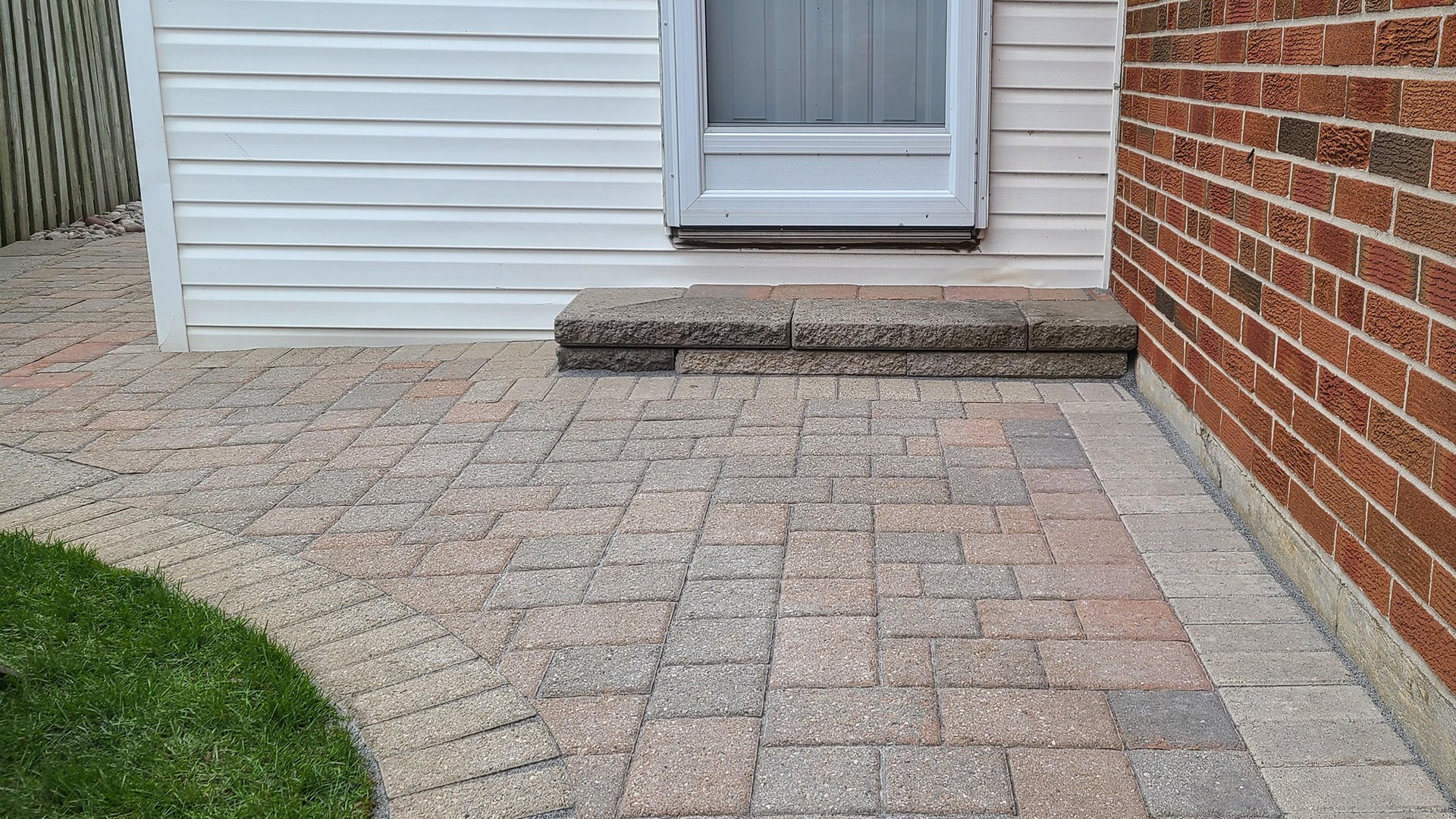
How to Properly Repair Interlock Pavers That are Sinking compare right - How to Properly Repair Interlock Pavers That are Sinking After
How to Properly Repair Interlock Pavers That are Sinking compare left - How to Properly Repair Interlock Pavers That are Sinking Before

How to Repair Sinking Interlock Pavers

Get Your Tools Together

You’ll need sand or limestone screening to fill in the gaps beneath the paver, a rubber mallet, trowel, soft bristle brush, and a flathead screwdriver to get started.

Remove Your Interlock Pavers

To begin, use the tip of a tiny, flat-headed screwdriver to remove the pavers. Pry up the end of each paver one at a time. The wiggling procedure can often be aided by using two screwdrivers, one at each end of the paver. Pound the pavers with a rubber mallet to loosen them up if they’re stuck in firmly. Before going on to the next stage, clean your pavers.

Add Screening and Level Your Pavers

Scrape and level the now-exposed earth beneath the sinking pavers with your trowel. Fill the low area with all-purpose sand or limestone screening, then draw the screed over the sand to level it out, keeping the notched ends of the screed aligned with the level pavers.

Pro Tip: if you don’t have a screed board, use a straight 2×4 that’s as long as your working area to level everything out.

Lay and Seal Your Interlock

Finally, set the interlock pavers back to their original positions. Then pound them down with the rubber mallet until they’re level with the other pavers. Re-seal the joints by sweeping polymeric sand into the edges.

Prevent Future Sinking Pavers

Unfortunately, many sunken pavers are the result of natural ground movements or long-term use. However, if your pavers sunk as a result of improper installation, maintenance, or anything substantial being placed on them, you may avoid this in the future.

The best thing you can do is have an expert inspect your interlock pavers and determine if your sinking natural or due to a problem.

Get the Best Interlocking Pavement Repair with Top-Notch Professionals

If you need a professional hands-off solution to fixing your sunken interlock, our team of interlock experts at Terrastone Landscaping can help. Give us a call today to learn more and get a FREE estimate!

If you already have photos and measurements, send them to us and we’ll provide you with a FREE Quote Online!